Chitral & Kalash Valleys
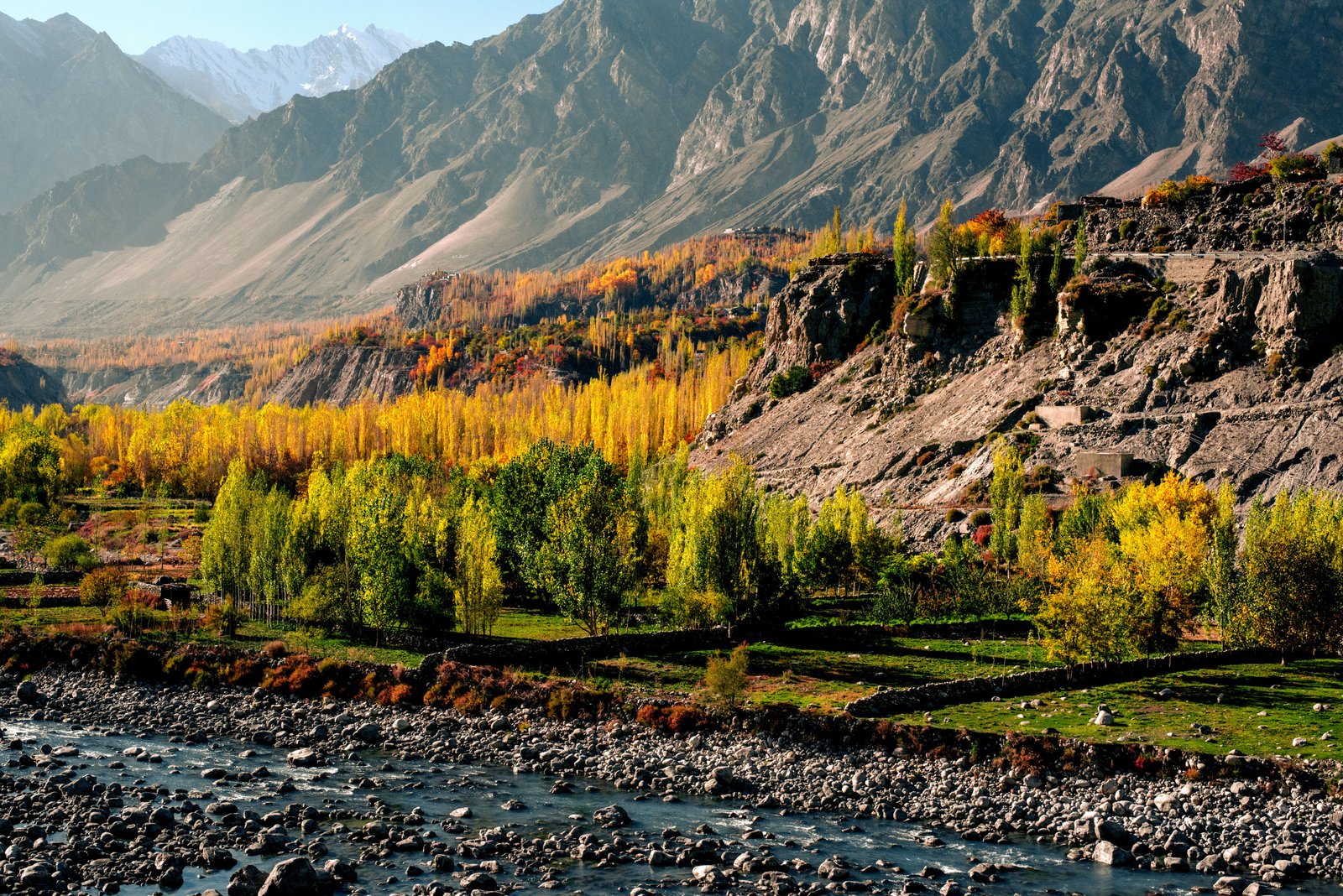
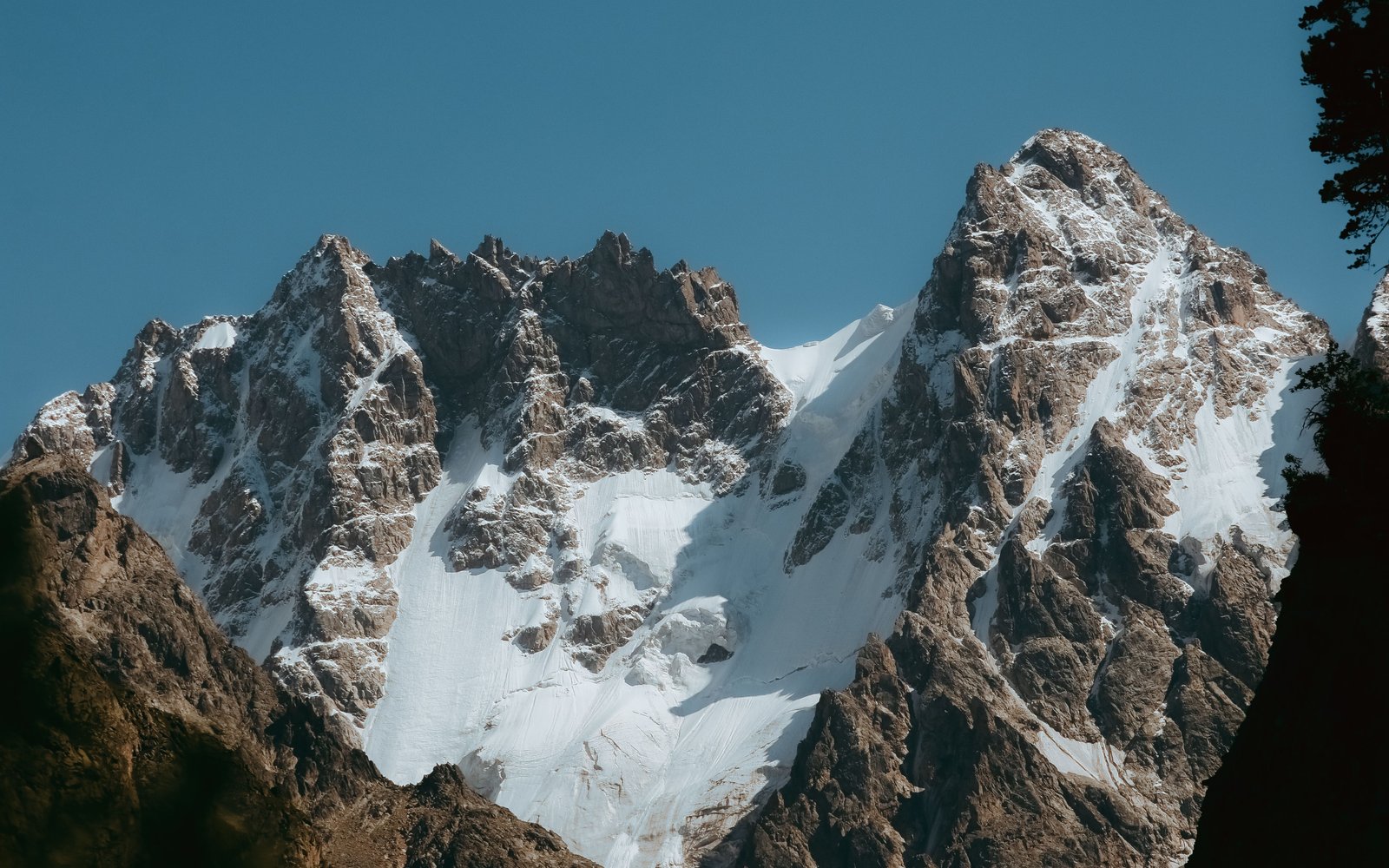
Chitral sits at the foot of Tirich Mir in the Hindu Kush, and its side valleys are home to the Kalash people, whose festivals in spring and late summer draw visitors from across Pakistan.
Northern Pakistan is the collision point of three of the world’s greatest mountain ranges: the Karakoram, the Himalayas, and the Hindukush. Explore each region below.
Explore by Region
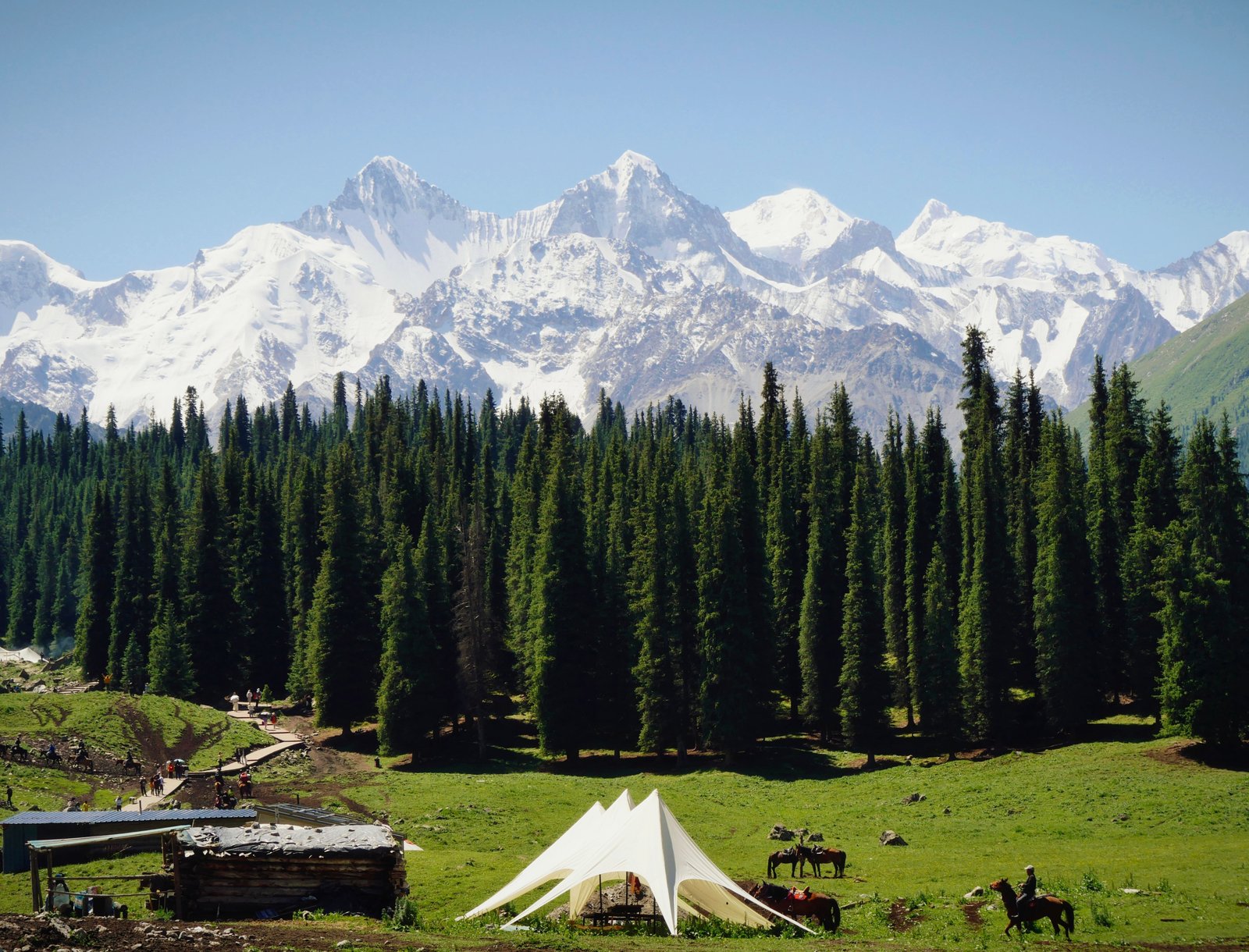
Alpine lakes and meadows above Naran

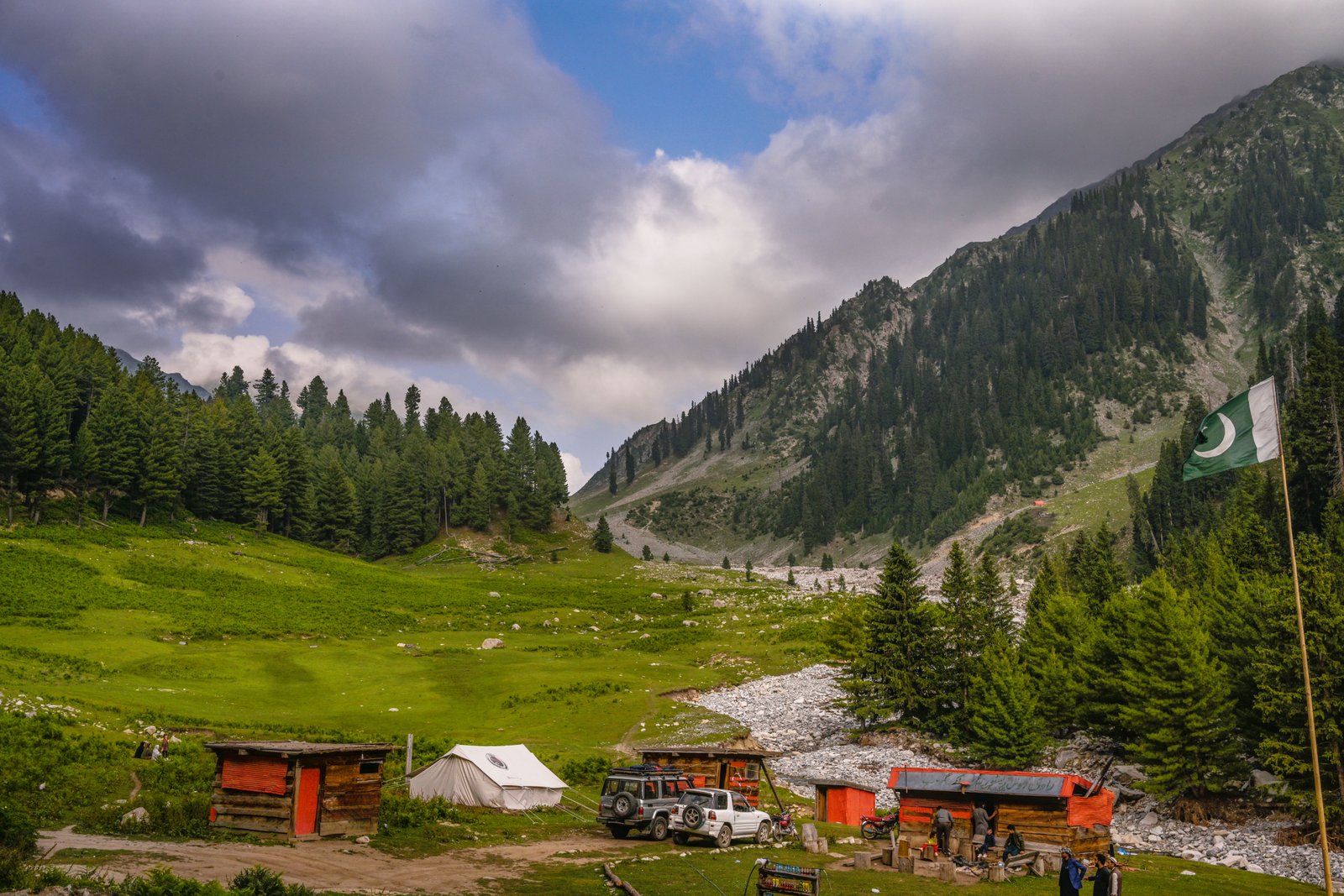
Kaghan Valley runs north from Balakot to Babusar Pass, with Naran as its base and lake treks to Ratti Gali, Saral and Dudipatsar.
Naran, Khyber Pakhtunkhwa
May to October
Islamabad International Airport (ISB), then road via Balakot
Ready to explore this region?
Browse available expeditions.
From the glaciers of Baltoro to the high plains of Deosai, each region offers a completely different experience of Pakistan’s mountains.

Chitral sits at the foot of Tirich Mir in the Hindu Kush, and its side valleys are home to the Kalash people, whose festivals in spring and late summer draw visitors from across Pakistan.
Averaging 4,114 meters above sea level, Deosai National Park is a breathtaking expanse of rolling wildflowers, crystal-clear glacial streams, and high-altitude lakes. It is the protected wilderness sanctuary of the endangered Himalayan Brown Bear and snow leopards.

Ghizer's valleys — Phander, Yasin and Ishkoman — hold high lakes and quiet passes on the western edge of the Karakoram and Hindu Kush, far from the main trekking crowds.

Gilgit is the administrative and transport hub of Gilgit-Baltistan, where the Karakoram Highway meets the valleys of Naltar, Bagrot and Haramosh.

Haramosh Valley rises from Gilgit to Kutwal Lake beneath the 7,409m Haramosh Peak, with the Spantik base camp route crossing Haramosh La above it.
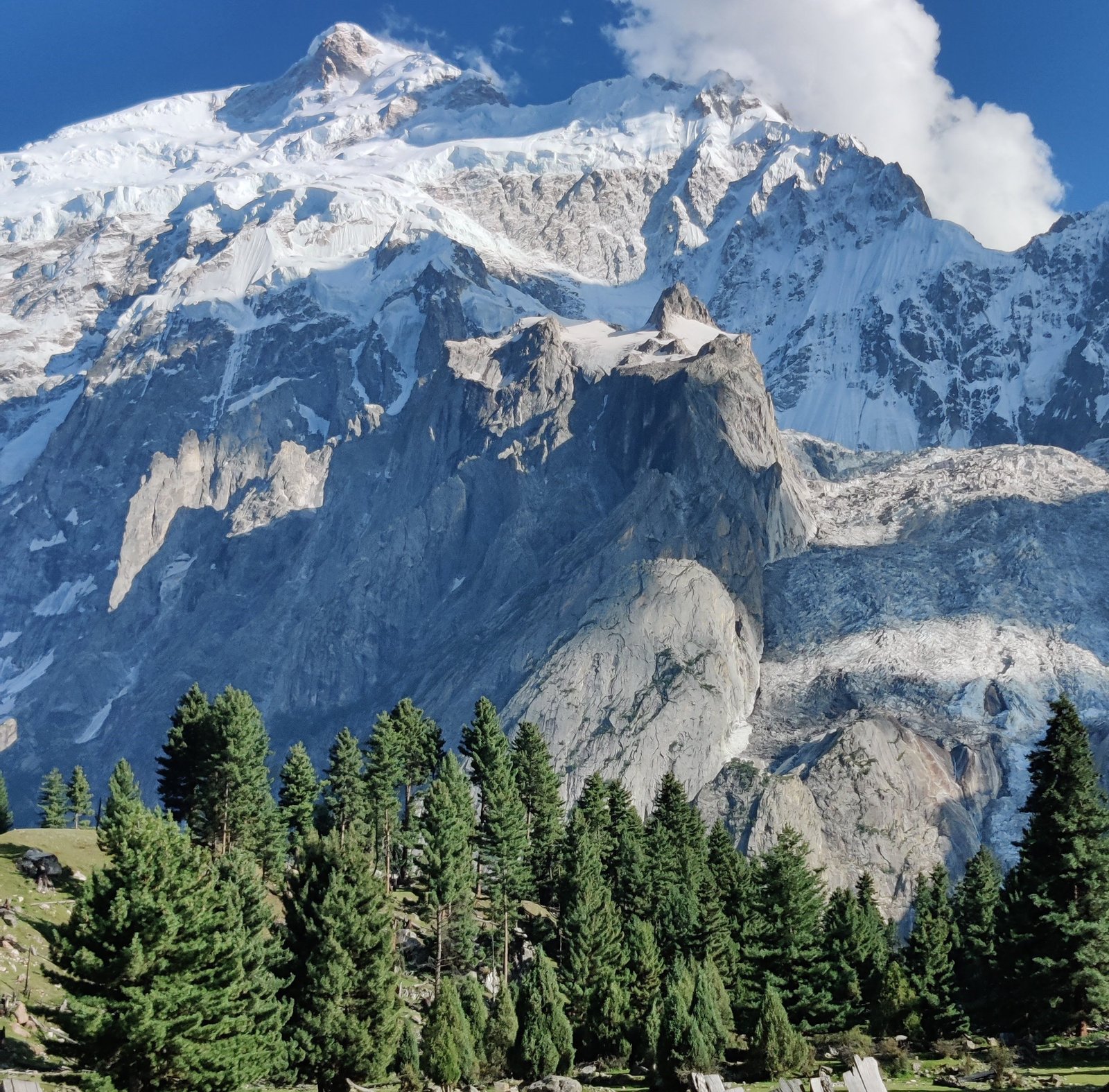
Nanga Parbat anchors the western terminus of the 2,400km Himalayan chain in Pakistan. With the world’s greatest single vertical rock and ice face (the 4,500m Rupal Face), this mountain provides unparalleled majesty viewed from the lush pine alpine pastures of Fairy Meadows and Beyal Camp.
Flanked by the legendary Karakoram Highway (KKH), Hunza and Nagar are celebrated for dramatic verticality. Rakaposhi (7,788m) rises 6,000 uninterrupted meters from the river valley, while Passu Cones pierce the skyline above apricot and walnut orchards.

Kaghan Valley runs north from Balakot to Babusar Pass, with Naran as its base and lake treks to Ratti Gali, Saral and Dudipatsar.
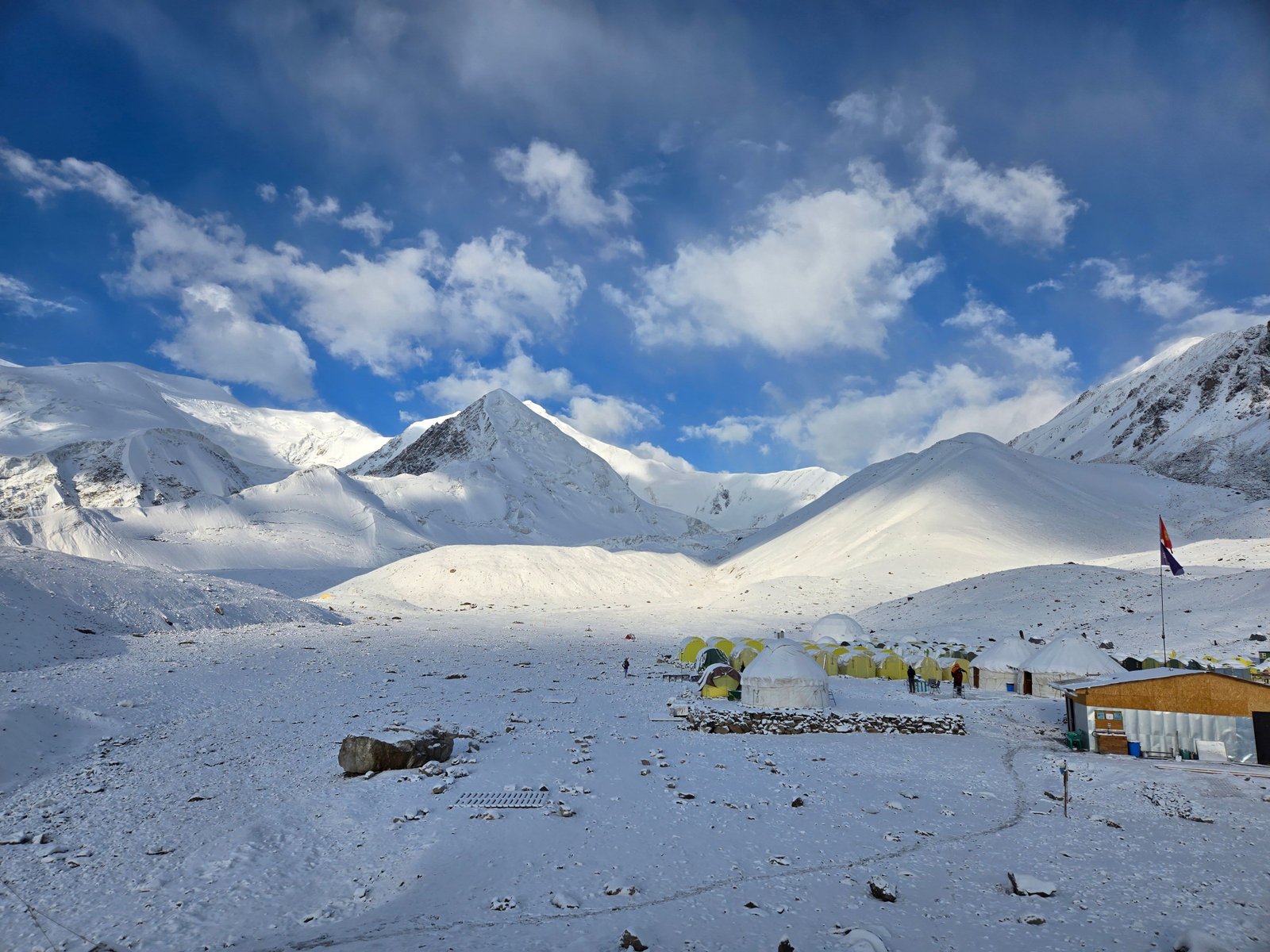
The Central Karakoram in Baltistan is the dense epicenter of global mountaineering. Within a 20km radius of Concordia amphitheatre sit four of the planet’s fourteen 8,000-meter peaks (K2 8,611m, Gasherbrum I 8,080m, Broad Peak 8,051m, Gasherbrum II 8,035m) surrounded by towering granite spires like Trango Towers and Cathedral Peak.

Neelum Valley follows the Neelum River through Azad Kashmir, from Athmuqam to the high lakes of Ratti Gali and Saral on the Kaghan border.
Shimshal is the highest settlement in Hunza, inhabited by tough Wakhi mountaineers who have produced many of Pakistan’s legendary K2 summiters. It offers pristine, crowd-free trekking to Shimshal Pass (4,735m) and non-technical alpine ascents of Minglik Sar (6,050m).

Skardu is the staging town for the great Baltoro treks — K2 Base Camp, Gondogoro La and Concordia all start from here — and a valley in its own right, with lakes, cold deserts and Shigar and Khaplu nearby.

Swat Valley, around Mingora and Kalam, is a lower, greener trekking country of rivers, lakes and Buddhist-era sites in the Hindu Kush foothills.
Tell us what kind of experience you are looking for and our local team can help you choose the right route.